
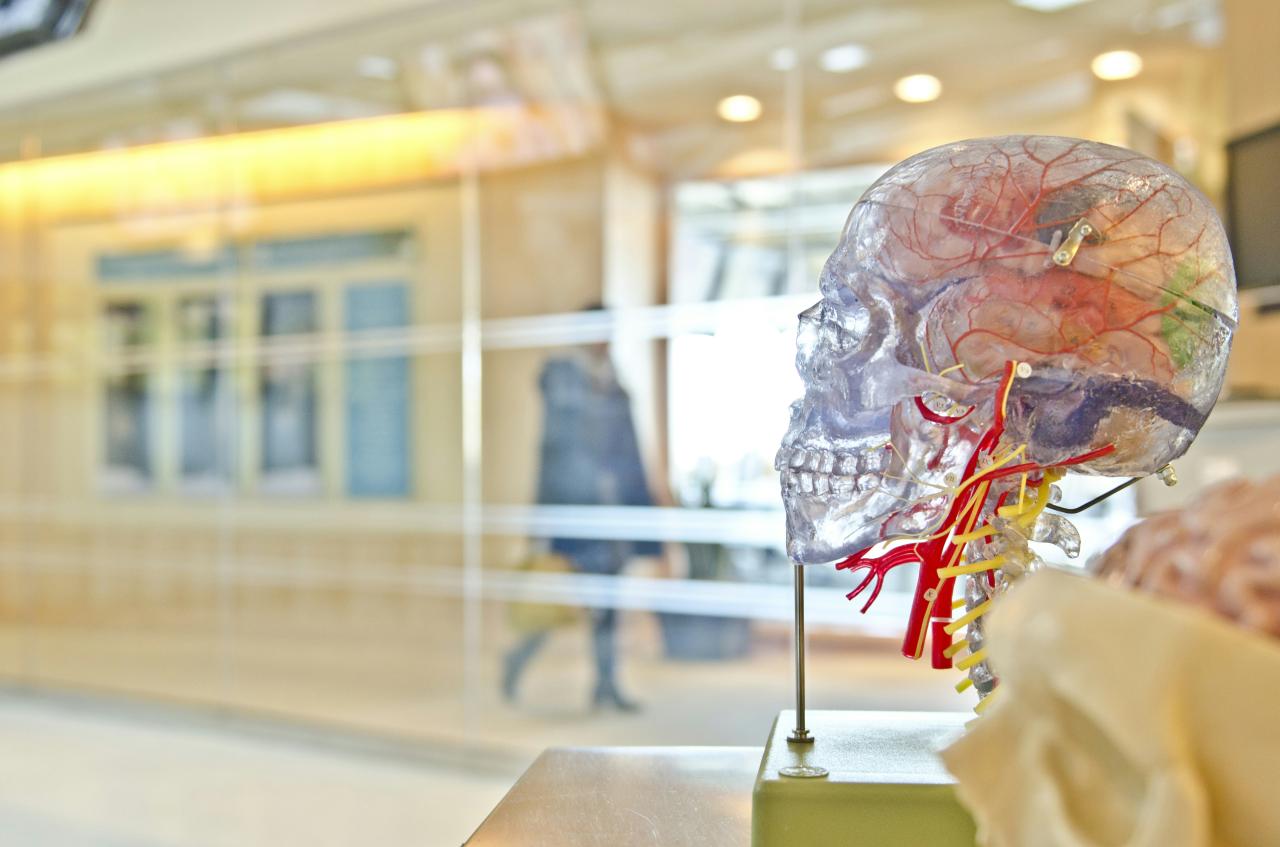
The landscape of modern education is currently undergoing a massive and necessary transformation to accommodate the diverse needs of all learners in a digital world. For far too long, our global educational systems were built upon a rigid and standardized model that favored a specific type of cognitive processing. This “one-size-fits-all” approach inadvertently created barriers for millions of students whose brains simply work differently, leading to missed potential and systemic exclusion.
However, we are now entering a revolutionary era where neurodiversity is finally being recognized as a valuable variation of the human experience rather than a collection of deficits to be fixed. By integrating neuroinclusive frameworks into the heart of pedagogy, educators are discovering how to unlock the hidden brilliance within every student. This shift requires more than just minor classroom adjustments; it demands a total redesign of how we deliver information, assess knowledge, and foster social connections. As an advocate for student-centered learning, I believe that creating inclusive spaces is the only way to ensure that the next generation of thinkers is fully prepared for the complexities of the future. This article will provide a deep dive into the practical strategies and psychological foundations that make neuroinclusive education a reality for classrooms everywhere.
The Shift Toward Universal Design for Learning
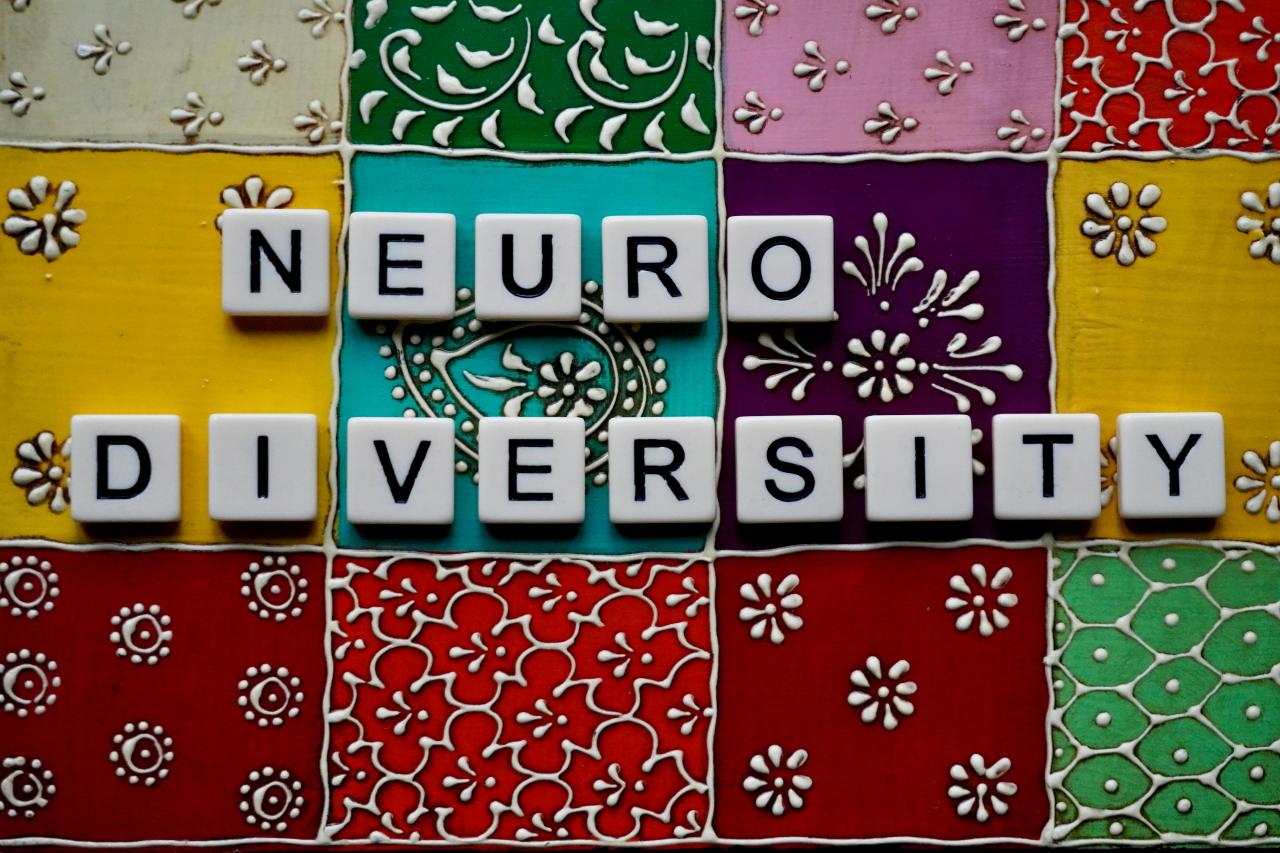
At the core of any neuroinclusive framework is the concept of Universal Design for Learning, which moves away from retrofitting lessons for specific disabilities. Instead, this model assumes from the very start that the classroom will be filled with diverse learners who have different strengths and challenges. By designing lessons with multiple entry points, teachers can reduce the need for stigmatizing separate accommodations. This proactive design ensures that the curriculum is accessible to a student with dyslexia as it is to a neurotypical peer.
A. Offering Diverse Representations of Curricular Content
B. Providing Multiple Pathways for Student Action and Expression
C. Maximizing Engagement Through Choice and Autonomy
D. Optimizing Physical Learning Environments for Sensory Comfort
E. Leveraging Digital Scaffolding to Support Cognitive Load
Universal Design is about removing the obstacles that prevent a student from reaching the actual content of a lesson. If a student has a barrier with reading, providing a video version of the same information allows them to show their mastery of the topic. When we give students choices in how they learn, we foster a sense of ownership that drastically increases academic motivation.
Implementing Multi Sensory Instructional Techniques
Neuroinclusive pedagogy recognizes that information is processed most effectively when it engages more than one sense at a time. Traditional classrooms often rely too heavily on auditory lectures or silent reading, which can be exhausting for many neurodivergent minds. By incorporating visual, tactile, and kinesthetic elements, we can create a “sticky” learning experience that stays with the student longer. This approach is not just for younger children; it is a vital strategy for high-level secondary and post-secondary instruction as well.
A. Using Visual Anchors and Graphic Organizers for Complex Ideas
B. Incorporating Kinesthetic Activities to Anchor Scientific Concepts
C. Utilizing Interactive Auditory Tools for Linguistic Mastery
D. Designing Tactile Models for Abstract Mathematical Theory
E. Encouraging Sketch-Noting and Non-Linear Data Mapping
A simple graphic organizer can help a student with ADHD visualize the relationship between two historical events far better than a page of text. When students use their bodies to demonstrate a concept, the brain forms stronger neural connections to that specific piece of information. These techniques turn passive listening into an active, multi-dimensional journey through the subject matter.
Supporting Executive Function and Self Regulation
One of the biggest hurdles in a traditional classroom is the demand for high-level executive functioning, such as planning, organization, and time management. Many neurodivergent students have the intellectual capacity to excel but struggle with the “logistics” of being a student. A neuroinclusive framework explicitly teaches these skills as part of the daily routine rather than expecting them to be innate. By reducing the “hidden” stress of classroom organization, we free up cognitive energy for actual learning.
A. Implementing Digital and Visual Checklists for Multi-Step Tasks
B. Utilizing Time-Block Strategies to Manage Transition Periods
C. Teaching Explicit Strategies for Emotional Self-Regulation
D. Providing Guided Note-Taking Templates to Support Focus
E. Establishing Clear and Predictable Classroom Rituals
Predictability is a powerful tool for reducing anxiety in the classroom, especially for students on the autism spectrum. When a student knows exactly what to expect when they walk through the door, their nervous system can stay in a state of “rest and digest” rather than “fight or flight.” This sense of safety is the biological prerequisite for high-level creative and critical thinking.
The Power of Differentiated Assessment Models
Standardized testing has long been a gatekeeper that prevents many talented students from showing what they truly know. A neuroinclusive framework seeks to diversify how we measure success, moving away from high-stakes exams toward a portfolio of diverse assessments. This allows students to leverage their specific talents, whether those are in writing, verbal communication, digital design, or physical construction. Fair assessment is not about giving everyone the same test; it is about giving everyone the same opportunity to prove their mastery.
A. Project-Based Assessments with Flexible Final Deliverables
B. Oral Exams and Vivas for Students with Dysgraphia
C. Collaborative Group Projects to Assess Interpersonal Competency
D. Portfolio-Based Evaluations Tracking Growth Over Time
E. Gamified Quizzes to Reduce Test-Related Anxiety
When a student creates a documentary instead of writing a ten-page essay, they are still demonstrating research, synthesis, and storytelling skills. The objective is to measure the learning, not the student’s ability to sit still and circle bubbles with a pencil. Differentiated assessment builds a student’s confidence by focusing on what they can do rather than highlighting what they struggle with.
Creating Sensory Aware Learning Environments
The physical classroom environment can either be a sanctuary for learning or a source of constant, overwhelming sensory input. Bright fluorescent lights, humming air conditioners, and cluttered walls can create a “sensory tax” that drains a neurodivergent student’s energy by lunchtime. A neuroinclusive framework takes the physical space seriously, advocating for “low-arousal” designs that promote focus and calm. Small changes to the lighting and acoustics can have a massive impact on the behavior and academic performance of every child in the room.
A. Utilizing Natural Lighting and Dimmable Lamp Alternatives
B. Creating Dedicated “Quiet Zones” for Sensory Decompression
C. Implementing Sound-Dampening Tools to Reduce Background Noise
D. Organizing Classroom Displays to Minimize Visual Distraction
E. Offering Flexible Seating Options Like Wobble Stools or Beanbags
A “quiet zone” is not a place for time-outs, but a self-selected space where a student can go to recalibrate their senses. Flexible seating allows students who need movement to stay engaged without disrupting the rest of the class. When the environment is adjusted to meet the needs of the human nervous system, productivity naturally increases.
Leveraging Artificial Intelligence as a Leveler
We are currently seeing a massive surge in AI tools that can act as a personal tutor for students with diverse learning needs. AI can summarize long texts, provide real-time speech-to-text, and even offer social coaching in a low-stakes environment. For a neuroinclusive educator, these tools are not “cheating” but are essential “prosthetics” for the mind. They allow students to work at their own pace and receive instant feedback that a single teacher in a crowded room cannot always provide.
A. AI-Driven Reading Assistants for Decoding and Fluency
B. Real-Time Translation and Subtitling for Inclusive Communication
C. Generative Tools for Visualizing Abstract Concepts
D. Personalized Learning Algorithms for Adaptive Mastery
E. Social Simulation Software for Safe Skill Development
Using AI to simplify the language of a complex document doesn’t change the facts; it makes the facts accessible to a struggling reader. These technologies empower students to take control of their own learning journey and work independently. As these tools become more sophisticated, the potential for truly personalized education becomes a reality.
Fostering a Culture of Neuro-Empathy and Belonging
A classroom can have the best technology and lesson plans, but if the students do not feel a sense of belonging, they will not thrive. Educators must proactively teach neuro-empathy, helping all students understand that everyone’s brain is wired differently. This moves the social dynamic away from “tolerating” differences toward “valuing” the unique perspectives that neurodiversity brings to a team. A culture of belonging is the ultimate goal of any inclusive pedagogical framework.
A. Facilitating Peer-to-Peer Neurodiversity Awareness Workshops
B. Celebrating Different Problem-Solving Styles During Lessons
C. Implementing Collaborative Groups with Diverse Cognitive Roles
D. Using Literature and Media that Feature Neurodivergent Protagonists
E. Practicing Restorative Justice to Resolve Social Misunderstandings
When a student sees their neurological profile represented positively in a book or a film, their self-esteem skyrockets. Teaching students how to work together by leveraging each other’s strengths builds a miniature version of the inclusive world we want to see. This social foundation is what allows every other academic strategy to take root and flourish.
The Role of Advocacy and Self Determination
The final stage of a neuroinclusive education is helping the student become their own best advocate. Students need to understand how their own brains work and what specific tools they need to be successful in the “real world” beyond school. This self-determination is a critical life skill that prepares students for college, careers, and independent living. A teacher’s role is to eventually work themselves out of a job by empowering the student to take the lead.
A. Mentoring Students in Identifying Their Own Learning Profiles
B. Teaching Explicit Communication Skills for Requesting Needs
C. Creating Opportunities for Student-Led Individualized Education Meetings
D. Developing Resource Kits for Transitions to Higher Education
E. Promoting Leadership Roles for Neurodivergent Students
When a student can confidently say, “I need a quiet space to finish this task,” they are demonstrating high-level self-awareness. Giving students a seat at the table during meetings about their own education changes the power dynamic from “doing to” to “working with.” This empowerment is the greatest gift an educator can give to a neurodivergent learner.
Conclusion

Transforming our schools through neuroinclusive design is the most important mission of modern pedagogy. We must stop trying to fit diverse minds into a narrow and outdated educational box. True innovation begins when we view neurological differences as a source of strength and creativity. By adopting flexible instructional models, we ensure that every child has the chance to excel.
The classroom environment should be a sanctuary that supports the sensory needs of all learners. Technology is the bridge that allows every student to access the global bank of knowledge. Social-emotional safety is the foundation upon which all academic achievement is built. Teaching students to advocate for their own needs is a vital skill for lifelong success. The future of our world depends on the brilliant and varied minds that we are nurturing today. Inclusive education is not just a professional goal; it is a commitment to a more just and empathetic society.