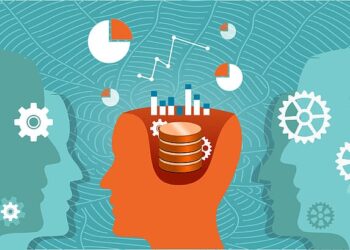


The landscape of modern education is undergoing a seismic shift as we move away from the traditional “one size fits all” model toward more personalized experiences. Adaptive learning architectures represent the pinnacle of this evolution, utilizing data-driven insights to tailor educational content to the unique needs of every individual learner. In an era where information is abundant but time is scarce, the ability to focus specifically on what a student has not yet mastered is a game-changer for academic efficiency. These systems do not just present information; they interact with the student, adjusting the difficulty and style of content in real-time based on performance.
This dynamic approach prevents the frustration that often comes from overly difficult tasks while also eliminating the boredom caused by repetitive, easy material. By bridging the gap between cognitive science and advanced software engineering, adaptive learning creates a supportive environment where potential is maximized through precision. As educational institutions and corporate training departments seek better outcomes, understanding the structural foundations of these architectures becomes essential for any forward-thinking leader. This deep dive will explore how these systems function, the psychological principles that make them effective, and how they are currently reshaping the future of human development.
The Core Foundations of Adaptive Design

Adaptive learning isn’t just a single software tool; it is a complex ecosystem designed to respond to human behavior. It relies on several key models working in tandem.
A. The Content Model Structure
The content model breaks down a subject into the smallest possible pieces of information, often called “knowledge nodes.” This allow the system to map out every possible path a student might take through a course.
B. The Learner Model Profile
This is a living record of what the student knows, how fast they learn, and their preferred media types. It constantly updates as the student interacts with the system, creating a highly accurate digital twin of their progress.
C. The Instructional Logic Layer
This acts as the “brain” of the architecture, deciding which piece of content to show next. It balances the need for review with the push toward new, more challenging concepts.
Psychological Triggers in Personalized Education
Human psychology is at the heart of why adaptive systems work so much better than static textbooks. They tap into how our brains naturally absorb and retain information.
A. Maintaining the Flow State
Flow occurs when a task is perfectly matched to a person’s skill level. Adaptive architectures keep students in this zone by increasing difficulty only when mastery is proven.
B. Immediate Feedback Loops
Waiting days for a test grade slows down the learning process significantly. Adaptive systems provide instant corrections, allowing students to fix misunderstandings before they become deeply rooted habits.
C. The Spaced Repetition Effect
Our brains forget information if it isn’t reviewed at specific intervals. These systems track when a student is likely to forget a concept and reintroduce it just in time to strengthen the memory.
Data Analytics and Predictive Mastery
The true power of an adaptive architecture lies in its ability to predict future performance based on past data. This allows for proactive intervention rather than reactive grading.
A. Identifying Learning Plateaus
By analyzing time-on-task data, the system can detect when a student is struggling even before they fail a quiz. This triggers the delivery of alternative explanations or extra practice.
B. Granular Performance Metrics
Instead of a simple “A” or “B,” these systems show exactly which sub-topics a student has mastered. This precision allows educators to provide highly targeted support where it is needed most.
C. Curriculum Efficacy Tracking
Adaptive architectures also evaluate the content itself. If every student struggles with a specific video or article, the system flags that content as ineffective for the curriculum developers to fix.
Implementing Adaptive Systems in Higher Education
Universities are increasingly adopting these architectures to handle large introductory classes where student backgrounds vary wildly.
A. Bridging Knowledge Gaps
In a diverse classroom, some students may lack foundational skills. Adaptive systems allow them to catch up privately without slowing down the rest of the lecture.
B. Scaling Personalized Instruction
A single professor cannot provide a personalized plan for 500 students. Adaptive software acts as a “digital teaching assistant” that provides one-on-one guidance at a massive scale.
C. Improving Retention and Graduation Rates
Students who feel supported and successful are less likely to drop out. By reducing the early frustration of difficult subjects, institutions see a measurable increase in long-term student success.
The Role of Artificial Intelligence in Learning
Modern adaptive architectures are heavily powered by AI and machine learning algorithms that grow smarter with every user.
A. Natural Language Processing (NLP)
AI can now grade open-ended essays and provide feedback on writing style. This expands adaptive learning beyond simple multiple-choice questions into complex creative fields.
B. Pattern Recognition for Behavior
The system can recognize patterns in how successful students study. It can then nudge struggling students to adopt those same behaviors, such as taking breaks or reviewing notes.
C. Generative Content Adjustments
In the future, AI may generate custom practice problems on the fly based on a student’s specific interests. This would make the material even more engaging and relevant to the individual.
Corporate Training and Workforce Upskilling
In the business world, adaptive learning is used to keep employees competitive in a fast-changing technological environment.
A. Reducing Training Time
Employees don’t want to sit through training on things they already know. Adaptive systems let them “test out” of familiar topics, saving the company thousands of hours in lost productivity.
B. Compliance and Safety Training
For high-stakes roles, 100% mastery is required. Adaptive architectures ensure that every employee has actually understood the safety protocols rather than just clicking through slides.
C. Continuous Skill Evolution
As job roles change, adaptive systems can suggest new modules for employees to master. This creates a culture of lifelong learning that benefits both the individual and the organization.
Designing Content for Adaptive Architectures
Creating content for an adaptive system is very different from writing a traditional book. It requires a modular and non-linear approach.
A. Micro-Learning Modules
Information must be broken down into “bite-sized” pieces that can be easily rearranged by the algorithm. Each module should focus on a single, clear learning objective.
B. Multi-Modal Content Delivery
Some students learn best through video, while others prefer reading or interactive simulations. A great adaptive architecture offers the same concept in multiple formats.
C. Tagging and Metadata Strategy
Every piece of content needs detailed tags so the system knows exactly what it teaches. This metadata is the “map” that the instructional logic uses to navigate the student’s journey.
Overcoming Challenges in Adaptive Implementation
While the benefits are clear, moving to an adaptive model requires significant effort and a change in mindset.
A. The Initial Content Development Cost
Building a modular curriculum is more expensive and time-consuming than traditional methods. However, the long-term ROI in student performance usually justifies the investment.
B. Ensuring Data Privacy and Security
Because these systems collect so much personal data, protecting student privacy is paramount. Architectures must be built with robust security standards to prevent data breaches.
C. The Need for Teacher Professional Development
Adaptive learning doesn’t replace teachers; it changes their role. Educators need training on how to use the data from these systems to facilitate better classroom discussions.
Social and Emotional Learning Integration
The next frontier for adaptive architectures is the inclusion of “soft skills” and emotional intelligence.
A. Sentiment Analysis and Engagement
Advanced systems can use webcams or typing patterns to detect if a student is frustrated or bored. The system can then offer a break or a motivational message to help the student reset.
B. Collaborative Adaptive Learning
New architectures are exploring how to group students together based on their complementary skill sets. This allows the system to facilitate peer-to-peer learning in a digital environment.
C. Fostering Growth Mindset
The system can be programmed to reward effort and progress rather than just correct answers. This helps students develop the resilience they need for real-world challenges.
The Future of Adaptive Learning Architectures
As technology continues to advance, the line between the learner and the software will become even more blurred.
A. Augmented Reality (AR) Integration
Imagine learning anatomy with an adaptive system that projects 3D models into your room. The system could adjust the complexity of the model based on your level of expertise.
B. Wearable Tech and Biometric Feedback
Heart rate monitors and brain-wave sensors could provide even more data to the adaptive engine. This would allow for a level of personalization that was previously unimaginable.
C. Universal Personal Learning Records
In the future, you might take your “learner profile” with you from kindergarten to your professional career. Every new system would already know how you learn best from day one.
Conclusion

Maximizing human potential requires a move toward educational systems that respect individual differences. Adaptive learning architectures provide the structural framework needed to deliver this personalized experience at scale. The success of these systems is rooted in their ability to maintain the perfect balance of challenge and support. Data analytics allow for a level of precision in teaching that was never possible in a traditional classroom. Artificial intelligence is the engine that drives the continuous evolution of these complex learning models.
Both higher education and corporate sectors are seeing massive benefits from reducing time-to-mastery. Content creation must become modular and multi-modal to fit within these dynamic digital environments. Privacy and data security remain the most critical challenges for developers to solve moving forward. The role of the educator is evolving from a lecturer to a data-informed mentor and facilitator. Spaced repetition and immediate feedback are the psychological cornerstones of effective knowledge retention. Future systems will likely incorporate biometric data to better understand the emotional state of the learner.
Personalized learning records could eventually follow an individual throughout their entire professional life. The integration of augmented reality will bring a new level of immersion to adaptive educational content. Reducing the cost of content development is essential for making these systems accessible to everyone globally. Ultimately, technology should serve as a bridge that connects every student to their highest possible achievement. Adaptive learning is not just a trend but a fundamental shift in how we approach human development. Creating a world where no one is left behind because of a rigid curriculum is the true promise of this technology.